





HOW TO BE A BETTER ALLY DURING PRIDE MONTH (AND AFTER)

Here's the thing about allyship: It is more than painting ‘love is love’ across placards in June… It’s a protest, it’s sitting with potential discomfort of where your own privilege sits in that, and it’s using your voice, your platform, and that privilege to show solidarity, and use your voice where others may not be safe to do so.
The fact you're reading this means you care enough to want to get it right, so in our book (and we are sure many others) that already puts you ahead of every corporation that sticks a rainbow on their logo for 30 days and calls it progress (ew).
Here's our friendly guide of practical, honest advice on how to show up for the LGBTQ+ community during Pride, after Pride, and for everything in-between.
First: what allyship actually is
Allyship isn't a badge you earn, or something you put in your Instagram bio and then forget about.
Allyship is a verb. It's something you do, repeatedly, imperfectly, and (this is the important part) when it costs you something.
It's easy to be an ally at a Pride parade surrounded by thousands of supportive people. It's harder to be one in a quiet office kitchen when someone makes a “joke”.
The best definition we've heard: an ally is someone who uses whatever privilege they have to amplify the voices and protect the rights of people who don't have the same privilege. That's it.
The stuff that actually helps during Pride
Show up
Go to a Pride event, not for the Instagram content or the ‘party,’ but for the community and the protest.
If you've never been, you'll be surprised how much of Pride is families, older couples, teenagers nervously holding hands for the first time, and community groups marching for visibility. It isn't all glitter and party floats. (Although the glitter and party floats are excellent, of course.)
Local Prides are especially worth your time; the big city events get all the attention, but smaller town Prides, where visibility is harder and more radical, are often where your presence matters most.
Bring your wallet, and be intentional about where it goes
Pride Month is when every brand suddenly wants a piece of the pink pound. Some of them genuinely support the community year-round, but sadly, many of them don't.
Before you buy that rainbow tote from a high street chain, spend 30 seconds checking…
Does this company actually support LGBTQ+ rights? Do they donate to LGBTQ+ causes? Do they have inclusive workplace policies? Or did they just run their logo through a rainbow filter on June 1st? (Did we mention, ‘ew?’)
Buying from LGBTQ+-owned businesses or brands that donate to LGBTQ+ causes is allyship in action. Your money is a vote. Use it deliberately.
Don't make it about you
This one is gentle but important: Pride is not your moment to centre yourself.
Going to a parade as an ally is wonderful, and raising awareness through your own platforms is so valuable. But posting about it extensively while making the narrative about your own journey of acceptance is less wonderful.
Show up, cheer, dance, advocate, and have the best time, but don’t forget Pride is a protest; the spotlight needs to be on that.
The stuff that matters more: allyship after Pride
We’ve all seen it far too many times…
June ends, the flags come down, the rainbow products disappear from the shelves of brands that never really meant it.
LGBTQ+ people are still here, still facing the same challenges they faced in May and will continue to face beyond.
So, here's what year-round allyship actually looks like…
1. Learn the basics so you don't have to ask
Pronouns, terminology, the difference between sexual orientation and gender identity, the basics of trans rights, what non-binary means.
None of this is secret knowledge; it's all freely available online, and more crucially, it isn't the job of your LGBTQ+ friends to teach you.
They've already done a lifetime of getting on in a world that wasn't built for them. The least you can do is a bit of reading.
(If you're not sure where to start, our guide to Pride flags covers the fundamentals of LGBTQ+ identity through the lens of the flags you'll see at Pride events)
2. Use inclusive language, and don't make it weird
Add your pronouns to your email signature, your Slack name, your social media bio.
When a cisgender person does this, it normalises pronouns for everyone. It sends a signal: “This is a safe space, and you can be yourself here.”
When you meet someone new, don't assume. “Do you have a partner?” instead of “Do you have a boyfriend/girlfriend?”
It's a tiny shift in language. It costs nothing. For someone who's used to being assumed straight, it can mean everything.
And when you get someone's pronouns wrong, because you might, especially at first, just correct yourself, move on, and do better next time. Don't spiral into a lengthy apology that makes the other person comfort you. A quick “sorry, they” and carry on is all that's needed.
3. Be the person who says something
Be the change.
When someone makes a homophobic joke at work, you don't have to deliver a TED talk. A simple “that's not funny” or “come on, we don't do that” is enough.
When a family member makes a dismissive comment about trans people at dinner, you don't need to start a debate, just saying “I don't agree with that” changes the room.
LGBTQ+ people do this every day.
They challenge, they educate, they push back, and it's exhausting.
When an ally does it, it takes some of that weight off their shoulders. A straight person calling out homophobia often carries more social weight. That isn't fair, but it's how it works, so use it.
4. Vote like it matters (because it does)
This is SO important.
In the UK, LGBTQ+ rights are not as secure as people assume.
Trans healthcare waiting lists are measured in years, conversion therapy hasn't been fully banned, and whilst Section 28 may be history, its legacy is still felt in schools.
Find out where your MP stands on LGBTQ+ issues and write to them. Vote accordingly; check whether the person representing you in Parliament is also representing the people you claim to support.
5. Support LGBTQ+ organisations with money, not just words
Stonewall, Mermaids, the Albert Kennedy Trust, Gendered Intelligence, MindOut, CliniQ. These organisations do the work that makes LGBTQ+ lives safer every single day. They run on donations, and most of them are chronically underfunded.
You don't have to donate hundreds of pounds. A small regular donation to one organisation that matters to you is worth more than a one-off fiver in June.
If you can’t stretch to a donation, then raise awareness! Share posts on social media, talk about these charities, and sign-post where necessary to those looking for support, or to empower themselves with more knowledge.
You're going to get it wrong
The final thing, and it might feel uncomfortable, but you need to know that making mistakes is all part of learning.
The difference between a good ally and a bad one isn't whether they make mistakes; it's what they do afterwards.
A good ally listens, apologises briefly, learns, and does better.
A bad ally gets defensive, centres their own feelings, and makes the whole thing about how hard it is for them.
Nobody expects perfection, but they do expect effort, consistency, and for you to still be putting the work in when Pride month ends.
Wear your allyship
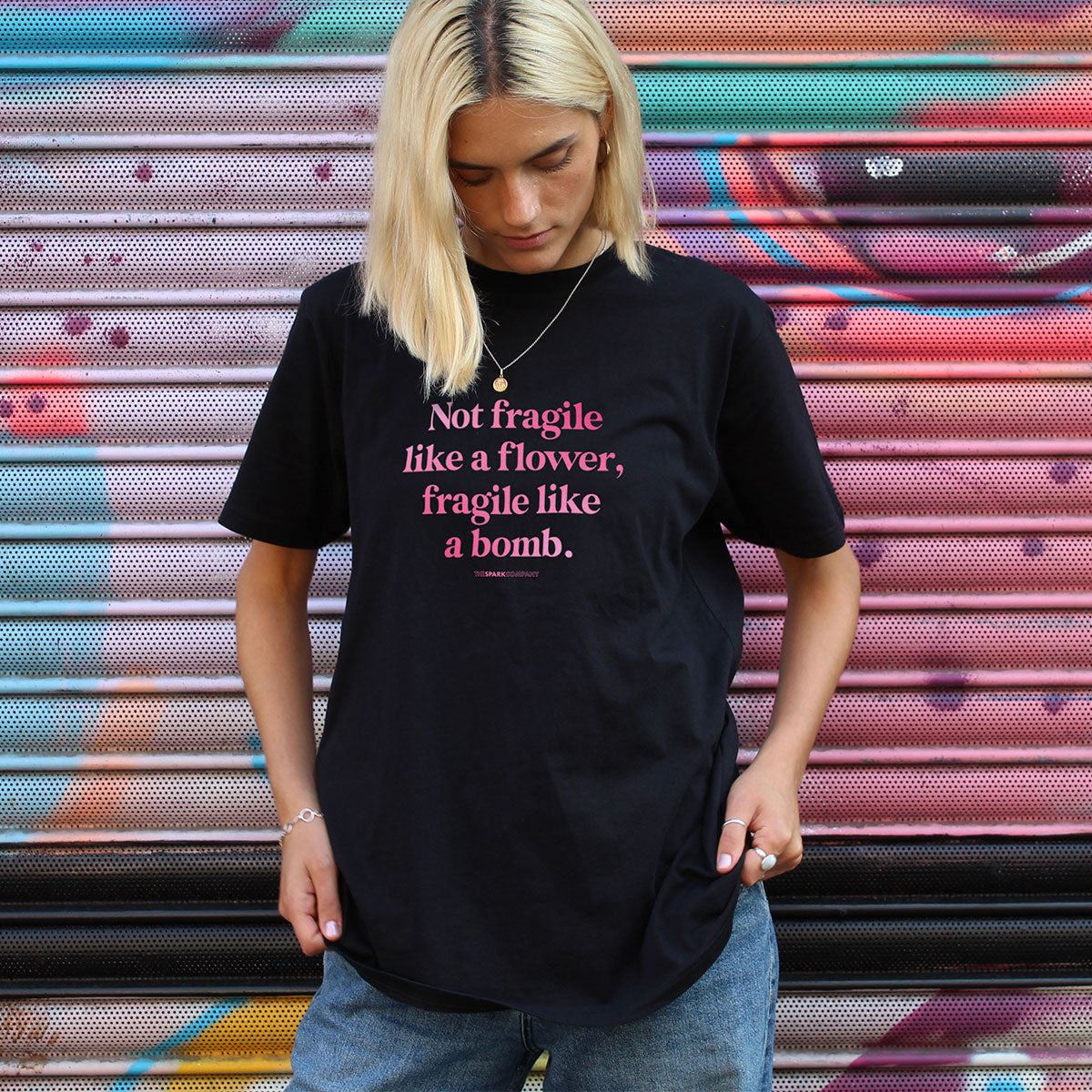
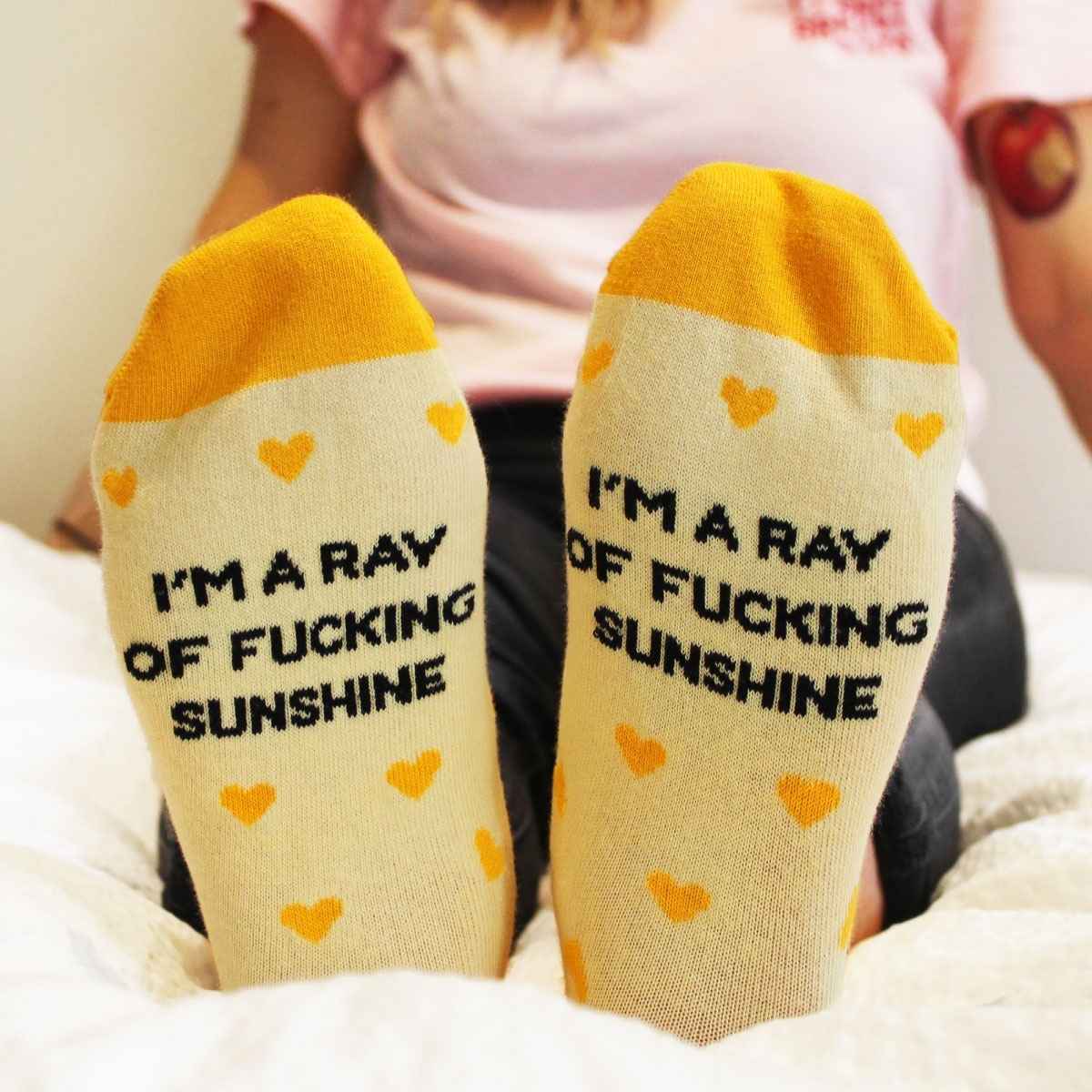
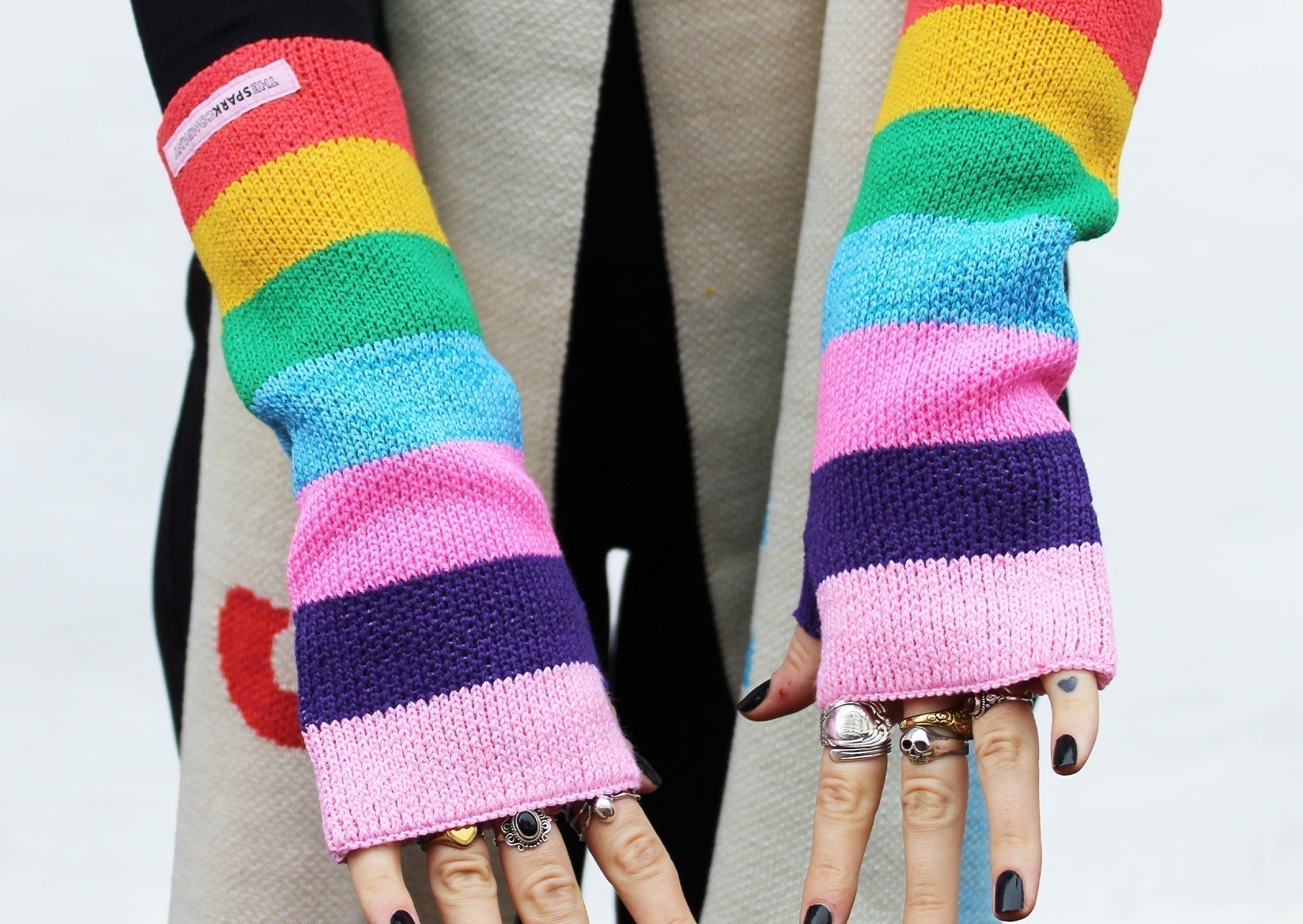
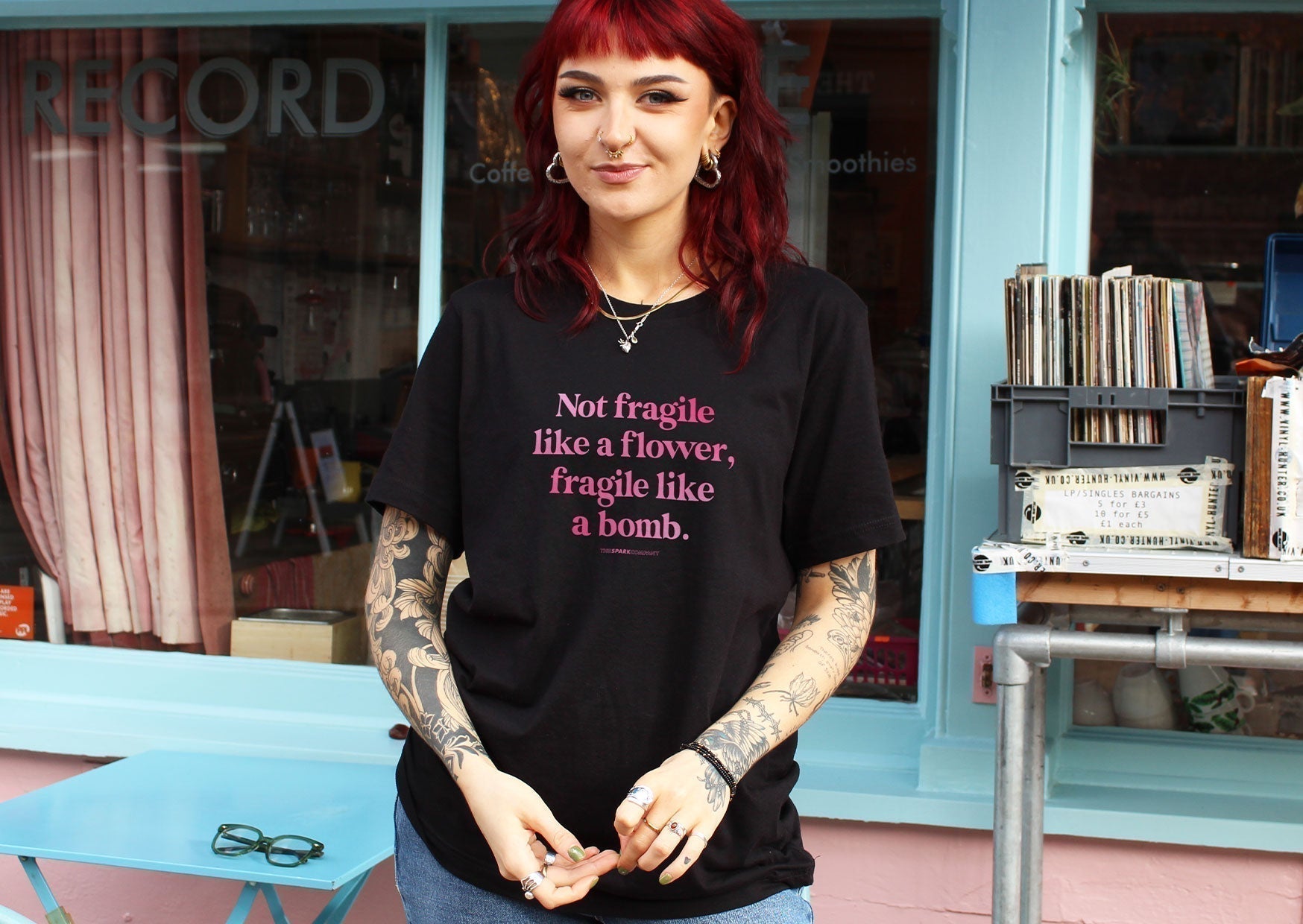
If you want to make your support visible all year round, a Pride tee or a pair of LGBTQ+ socks is a small act of everyday visibility that signals to the people around you: you're safe with me.
It won't change the world. It might change someone's day.

Leave a comment
This site is protected by hCaptcha and the hCaptcha Privacy Policy and Terms of Service apply.